

Training your dog is one of the most important responsibilities of pet ownership. A well-trained dog is happier, safer, and easier to live with. Whether you have a new puppy or an older dog that needs better manners, the right training techniques can help build a strong bond between you and your furry companion.
In this guide, we’ll cover practical dog training tips that every dog owner should know.
1. Start Training Early
The earlier you begin training, the easier it is for your dog to learn good habits. Puppies are especially receptive to learning new behaviors and commands. However, remember that older dogs can learn too—it’s never too late to start training.
Focus on teaching basic commands such as:
- Sit
- Stay
- Come
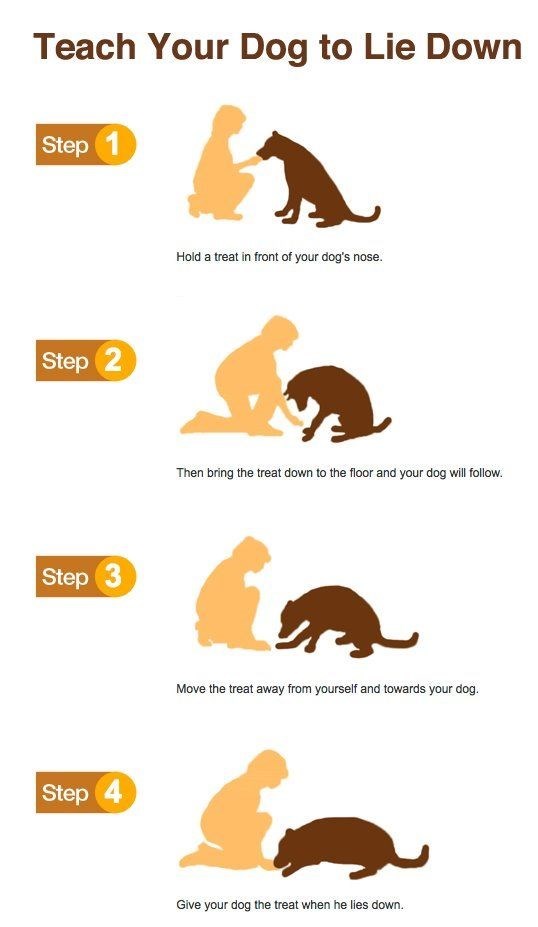
- Down
- Leave It
- Heel
These commands create a foundation for more advanced training later.
2. Use Positive Reinforcement
Positive reinforcement is one of the most effective dog training methods. Reward your dog immediately when they perform the desired behavior.
Common rewards include:
- Healthy dog treats
- Verbal praise
- Favorite toys
- Playtime
Dogs naturally repeat behaviors that result in positive outcomes, making rewards a powerful training tool.
3. Keep Training Sessions Short
Dogs have limited attention spans, especially puppies. Instead of long training sessions, aim for multiple short sessions throughout the day.
Recommended training duration:
- Puppies: 3–5 minutes per session
- Adult dogs: 5–15 minutes per session
Short, consistent sessions help your dog stay engaged and prevent frustration.
4. Be Consistent With Commands
Consistency is critical for successful dog training. Everyone in your household should use the same commands and rules.
For example, if one person says “Down” and another says “Lie Down,” your dog may become confused.
Choose one command for each behavior and stick with it.
5. Socialize Your Dog
Proper socialization helps prevent fear, anxiety, and aggressive behavior.
Safely introduce your dog to:
- New people
- Other dogs
- Different environments
- Common household sounds
- Car rides and public places
Positive experiences during socialization can help your dog become more confident and well-adjusted.
6. Address Problem Behaviors Early
Small issues can become bigger problems if ignored.
Jumping on People
Ignore your dog when they jump and only provide attention when all four paws are on the ground.
Excessive Barking
Determine the cause of the barking, such as boredom, fear, or attention-seeking. Reward quiet behavior instead of reacting to the barking.
Leash Pulling
Stop walking whenever your dog pulls on the leash. Continue only when the leash becomes loose. This teaches your dog that pulling does not move them forward.
7. Provide Daily Exercise
Many unwanted behaviors are caused by excess energy.
Regular exercise can help reduce:
- Destructive chewing
- Excessive barking
- Hyperactivity
- Restlessness
Physical activity should be combined with mental stimulation through training exercises, puzzle toys, and interactive games.
8. Practice Recall Training
Teaching your dog to come when called is one of the most important commands for safety.
To teach recall:
- Call your dog in a cheerful voice.
- Say “Come.”
- Reward your dog immediately when they reach you.
- Repeat regularly in different environments.
Avoid punishing your dog after they come to you, as this can create negative associations with the command.
9. Use Crate Training Correctly
A crate should be a safe and comfortable space, not a punishment.
Benefits of crate training include:
- Easier potty training
- Reduced destructive behavior
- Better travel safety
- A secure resting place
Introduce the crate gradually and make it a positive experience with treats and praise.
10. Be Patient and Realistic
Every dog learns at a different pace. Factors such as breed, age, temperament, and previous experiences can influence training progress.
Celebrate small successes and remain patient throughout the learning process. Consistent practice and positive reinforcement will produce lasting results over time.
Common Dog Training Mistakes to Avoid
Avoid these common errors:
- Punishing your dog after the behavior has occurred
- Using inconsistent commands
- Expecting instant results
- Conducting overly long training sessions
- Skipping daily practice
Final Thoughts
Successful dog training is built on consistency, patience, and positive reinforcement. By spending a few minutes each day teaching and practicing commands, you can raise a well-behaved, confident, and happy dog.
Remember, training is not just about obedience—it’s about strengthening the relationship between you and your dog. With the right approach, every training session becomes an opportunity to build trust and create a lifelong bond.
Leave a Reply